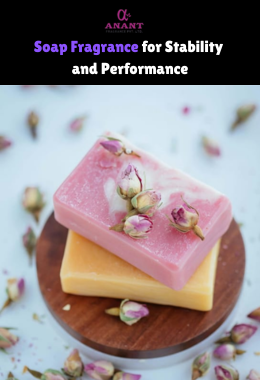
Soap Fragrance for Stability and Performance is one aspect of soap production that manufacturers of soap take seriously. A soap may have a good appearance and a nice color, but if the smell does not last or changes after a short time of production, it impacts the quality of the soap.
As a result of this, soap manufacturers test the soap fragrance. It is a simple objective: the smell should remain nice from the time of production of the soap until the time the soap is used up.
Manufacturers do not rely on guesswork. Instead, they test the fragrance in different stages to make sure it performs well inside the soap base.
Understanding Soap Fragrance for Stability and Performance
Before a fragrance is used in production, manufacturers first study how it behaves inside soap. Soap Fragrance for Stability and Performance testing helps determine whether the scent will remain stable during production and storage.
Soap contains oils, water, and sometimes heat during processing. These factors can change how a fragrance reacts. A fragrance that smells perfect in a bottle might behave differently once it is mixed with soap ingredients.
For this reason, manufacturers run several small tests before approving a fragrance for large batches.
First Step: Evaluating the Fragrance Profile
The testing begins with the simple task of evaluating the fragrance profile. Here, the experts simply wish to evaluate the fragrance itself.
For instance:
- How strong the scent is
- How well the various scent “notes” mix together
- What the scent is like
This initial testing is important so that the fragrance will be appropriate for use in soap products. There are some fragrances that will be appropriate for perfume but will not be appropriate for use in soap bases.
Testing with Different Soap Bases
The second important test of the Soap Fragrance’s stability and performance is its testing with various soap bases.
Different soap types include:
- Melt and pour soap
- Cold process soap
- Hot process soap
- Glycerin soap
Each base has a different composition. Because of this, manufacturers mix small sample batches and observe how the fragrance behaves.
They check for changes in color, texture, or strength of smell.
Heat and Production Testing
Soap making can involve heat or chemical reactions. In this case, fragrance oils must be able to withstand the process.
In the Soap Fragrance for Stability and Performance test, manufacturers subject the fragrance to a production test.
They check if the fragrance:
- Changes smell during a heating test
- Causes discoloration of soap
- Affects the curing of soap
If it has a negative effect, changes may be necessary before it can be used.
Checking Fragrance Stability Over Time
A fragrance that smells good immediately after production may not stay the same weeks later. As a result of this, stability testing is an important part of Soap Fragrance for Stability and Performance. The manufacturer stores sample soap bars. They then observe them over time. They check the fragrance after several days and again after a few weeks.
The aim is to determine whether the smell remains consistent or starts to fade. If the smell remains strong and consistent, it means the soap has passed the test.
Testing Fragrance Performance During Use
Another step in the process is performance testing. At this point, the manufacturer wants to find out how the soap behaves during use.
During the Soap Fragrance for Stability and Performance test, sample soaps are used under normal washing conditions.
The manufacturer observes:
- The appearance of the smell during washing
- Whether or not the smell remains noticeable
- The longevity of the smell on the soap
The process ensures that the soap provides a good experience during use.
Quality and Safety Evaluation
The process of testing soap fragrances also involves a quality and safety test. Manufacturers review the ingredients used in fragrance oils to ensure they meet cosmetic safety standards.
While studying Soap Fragrance for Stability and Performance, they confirm that the fragrance levels remain within recommended limits.
These checks protect both the product quality and the consumer.
Also, explore Shampoo Fragrance for hair care applications.
Why This Testing Matters
Customers usually remember soap because of its fragrance. If the scent disappears quickly, the product may not leave a good impression.
This is why manufacturers take time to test Soap Fragrance for Stability and Performance before a product is introduced into the market.
Conclusion
Fragrance testing is a fundamental part of soap making. Without fragrance testing, a soap product may not provide a satisfactory fragrance experience despite its quality.
By thoroughly studying Soap Fragrance for Stability and Performance, manufacturers are able to ensure that the fragrance mixes well with the soap base, remains stable during storage, and performs well during use.
By strictly adhering to the above guidelines, a soap product is able to provide a consistent fragrance that customers enjoy from the beginning to the end.
FAQs
1. What is Soap Fragrance for Stability and Performance?
It is a test for the stability and performance of a fragrance within a soap.
2. Why is fragrance testing important in soap making?
Fragrance testing is important so that the fragrance will not wear off, change, and affect the quality of the soap.
3. Can fragrance oils react with the soap ingredients?
Yes, it is possible for a fragrance to react with the soap base and alter color and scent.
4. How long does it take for a fragrance stability test?
Fragrance stability testing is usually monitored for a few days or weeks.
5. Will all fragrances work well in soap?
No, fragrances may work better than others in soap depending on their chemical content.
Follow us on Facebook and Instagram for more inspiration and product news.