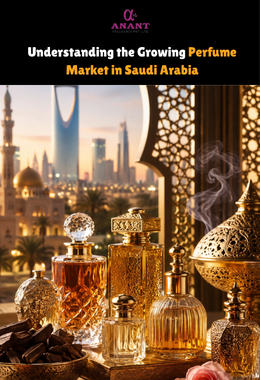
Fragrance sales in the Kingdom have picked up fast. The Perfume Market in Saudi Arabia is now one of the busiest fragrance economies in the Gulf, and a few things explain why: rising income, a young population, and a gifting culture that runs deep.
Local manufacturers and global brands are chasing the same shelf space right now. That kind of pressure usually pushes quality up, and here, it has.
What Is Driving Growth in the Perfume Market in Saudi Arabia?
Money and demographics, mostly. Income has risen, the population skews young, and both feed directly into demand. People spend more on grooming and fragrance than they did five years ago, full stop.
Culture matters just as much, maybe more. Fragrance isn’t a special-occasion buy here. Saudi families use it for prayers, weddings, and religious gatherings, so sales don’t dip much between seasons the way they might elsewhere.
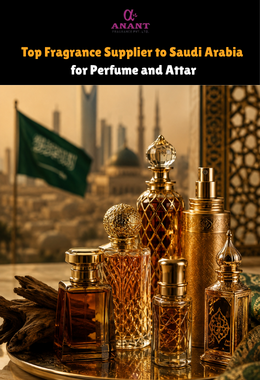
Then there’s tourism. Hajj and Umrah visitors pick up local attars and oud-based perfumes as gifts before flying home, and that habit puts a real dent in retail shelves across major cities.
Looking for a trusted fragrance manufacturer in Saudi Arabia? Explore our industrial fragrance manufacturing solutions for premium-quality applications.
How Large Is the Perfume Market in Saudi Arabia Right Now?
Big enough to matter globally. Estimates place the market in the billions of dollars, with the Kingdom ranking among the Gulf’s top fragrance consumers.
Retail stores still bring in most sales, but online is catching up quickly. People would rather order and wait for delivery than drive to a mall these days.
Local and international brands don’t really fight over the same customer. Local players stick to traditional scents like oud, musk, and amber. Global brands lean on packaging and marketing to pull in younger buyers instead.
A quick side-by-side comparison of demand in the Perfume Market in Saudi Arabia:
| Segment | Growth Pattern | Main Buyers |
| Traditional Oud and Attar | Steady, high demand | Local families, tourists |
| Western Branded Perfumes | Rising among youth | Urban consumers |
| Industrial and Bulk Fragrance | Growing with exports | Manufacturers, distributors |
What Role Do Industrial Fragrance Exporters Play in Saudi Arabia?
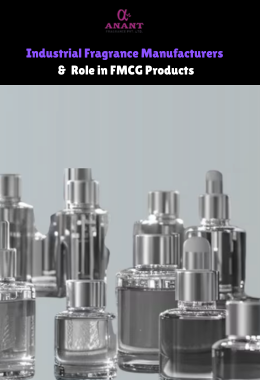
A bigger one than most shoppers realize. Behind nearly every bottle sold here sits a supply chain that never gets much attention. Industrial fragrance exporters Saudi Arabia relies on supply the raw materials that keep local production going.
Essential oils, concentrates, blending compounds – all of it passes through this chain before reaching a factory floor. Manufacturers chasing international safety standards tend to stick with the same trusted suppliers year after year instead of hopping between them.
Sourcing for a new product line? Worth checking a proper guide first. Anant Fragrance has put together a solid breakdown of what to look for. Stick with an established exporter and you’ll usually see fewer delays, plus a scent that stays consistent run after run.
Which Trends Are Shaping the Perfume Market in Saudi Arabia?
Natural ingredients, mostly, along with a push toward sustainability. Buyers want alcohol-free, skin-friendly formulas far more than they did even two years back.
Personalisation is catching on too. Some brands now let customers build their own scent through blending services rather than picking something pre-made off a shelf.
A few other shifts worth watching:
- Rising demand for alcohol-free attars
- More brands moving toward natural and organic ingredients
- Unisex fragrance lines becoming more common
- E-commerce perfume sales growing quarter over quarter
- Higher demand for export-grade materials from local fragrance exporters
How Can New Businesses Enter This Market?
Through a partnership, usually, not a factory. That’s the fastest way in. Working with an established manufacturer is almost always faster than building production capacity from scratch.
Registration isn’t optional. Companies need to meet Saudi Food and Drug Authority standards and follow Gulf Cooperation Council labelling rules before anything reaches a shelf.
A short checklist that helps:
- Work with certified fragrance suppliers
- Get your packaging and labelling right the first time
- Start talking to regional distributors early, not after launch
- Run a small trial batch before committing to full production
What Challenges Does the Perfume Market in Saudi Arabia Face?
Getting shelf space isn’t the hard part anymore – staying compliant is. Rules keep shifting, and new brands often underestimate how much paperwork sits between them and their first sale.
Stock problems trip up a lot of smaller businesses too. If you’re not working with a supplier you actually trust, shipments slip, batches vary, and customers notice fast.
Then there’s the money side. Currency swings and import duties eat into margins, and that hurts more if you’re bringing in raw material from abroad instead of sourcing closer to home.
Frequently Asked Questions
Is the Perfume Market in Saudi Arabia growing?
Yes, steadily, year after year, driven mainly by local demand and tourism.
Which fragrance type sells the most in Saudi Arabia?
Traditional oud and attar remain the best-selling categories.
Do industrial fragrance exporters Saudi Arabia serve international buyers?
Yes, many supply raw materials to buyers well beyond the Gulf region.
Is it easy to start a perfume business in Saudi Arabia?
Manageable, if you follow local regulations and partner with a certified supplier.
What makes the Saudi perfume market unique?
A deep cultural tie to fragrance, paired with heavy tourist demand.
Brands can select the right manufacturer based on their experience, customization, reliability, and safety.
Follow us on Facebook and Instagram for more inspiration and product news.